Do Landscapers Need General Liability Insurance? (2026 Cost & Rules)
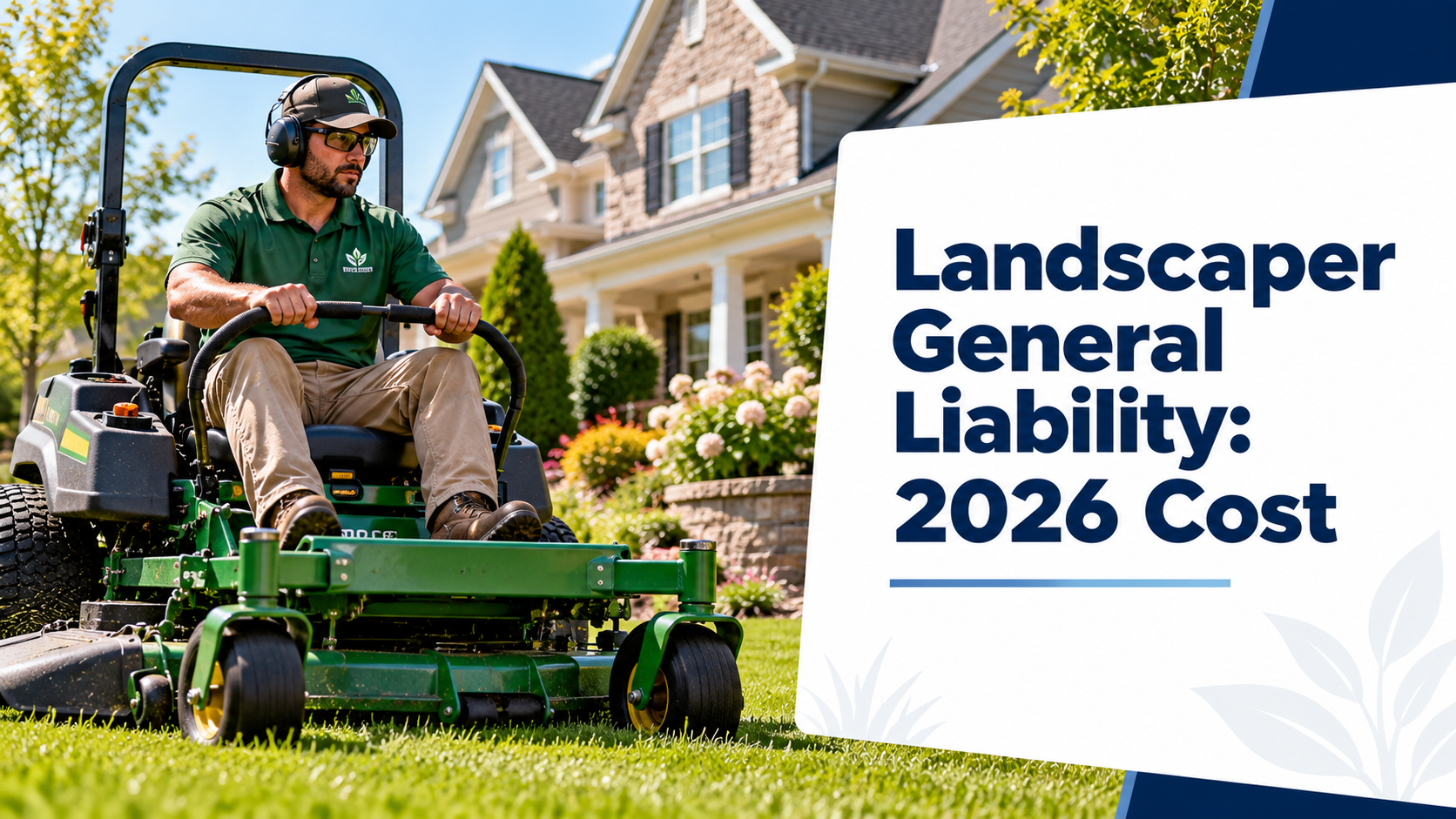
A landscaper operating a commercial lawn mower - general liability insurance requirements.

Short Answer: Yes, general liability insurance is absolutely essential for landscapers. Even though it is not required by law in most states, it covers third-party property damage (like hitting a house with a mower) and bodily injury. In 2026, most landscapers pay between $600 and $2,500 per year for a standard policy. If you own … Read more
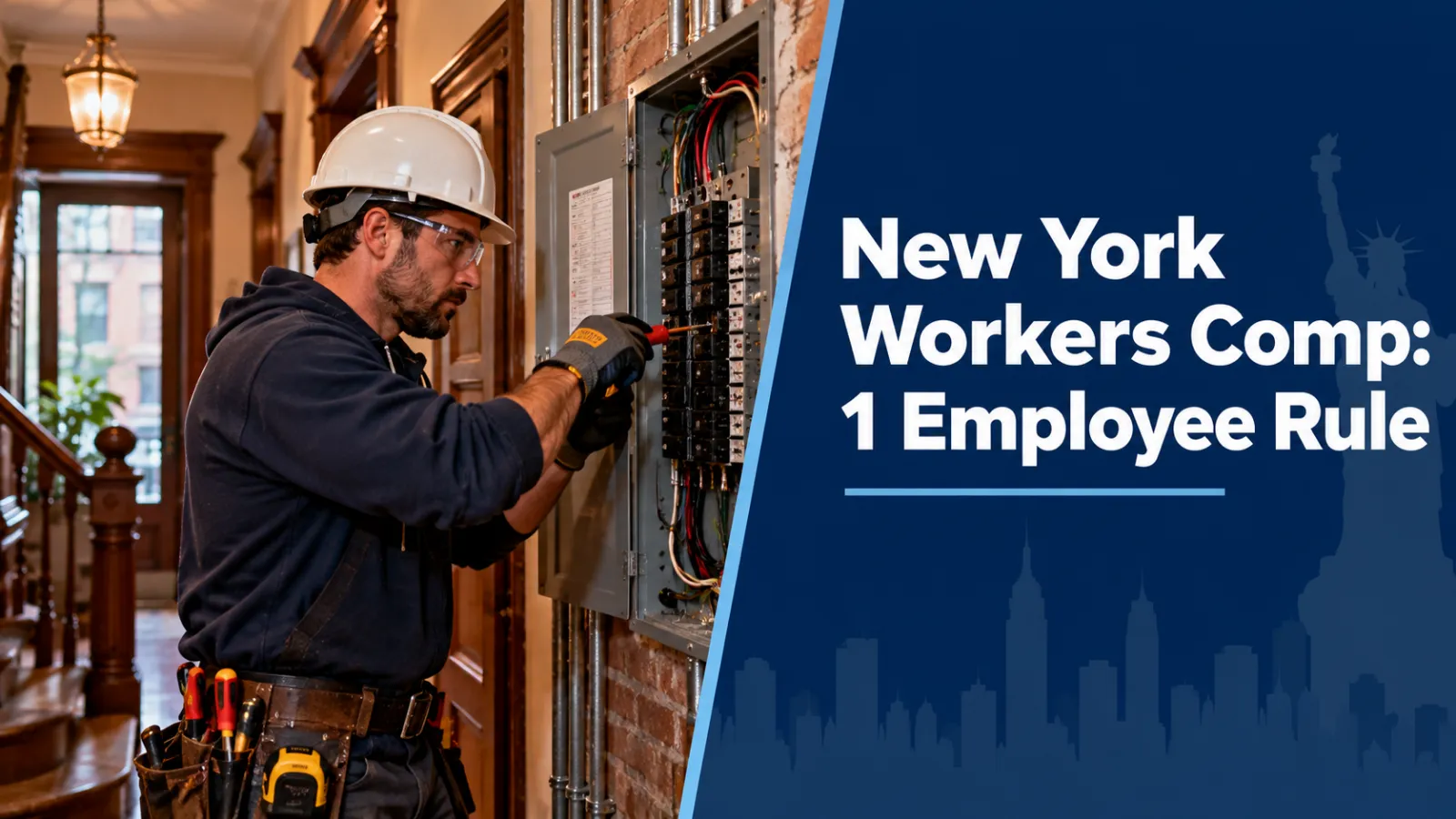

New York Electricians: Do You Need Workers Comp for 1 Employee? (2026)

New York electrician working on an electrical panel - workers comp requirements for 1 employee.

Short Answer: Yes. New York law requires workers’ comp coverage for almost all employers, even if you have just one employee. There is no small business exemption. If you go uninsured, the state can fine you up to $2,000 for every 10 days you are without coverage, and your employee can sue you directly. If … Read more

Florida Restaurant Insurance: 5 Policies You Legally Need (2026)

Florida restaurant owner reviewing 2026 insurance requirements for workers comp and liquor liability.

Short Answer: Florida law requires workers’ comp once you have 4 or more employees (including part-timers) . If you serve alcohol, you need liquor liability — general liability excludes alcohol claims entirely . General liability, property, and commercial auto are not always mandated by statute, but landlords, lenders, and practical risk make them essential . … Read more

California vs Texas Workers’ Comp for Small Business (2026 Guide)

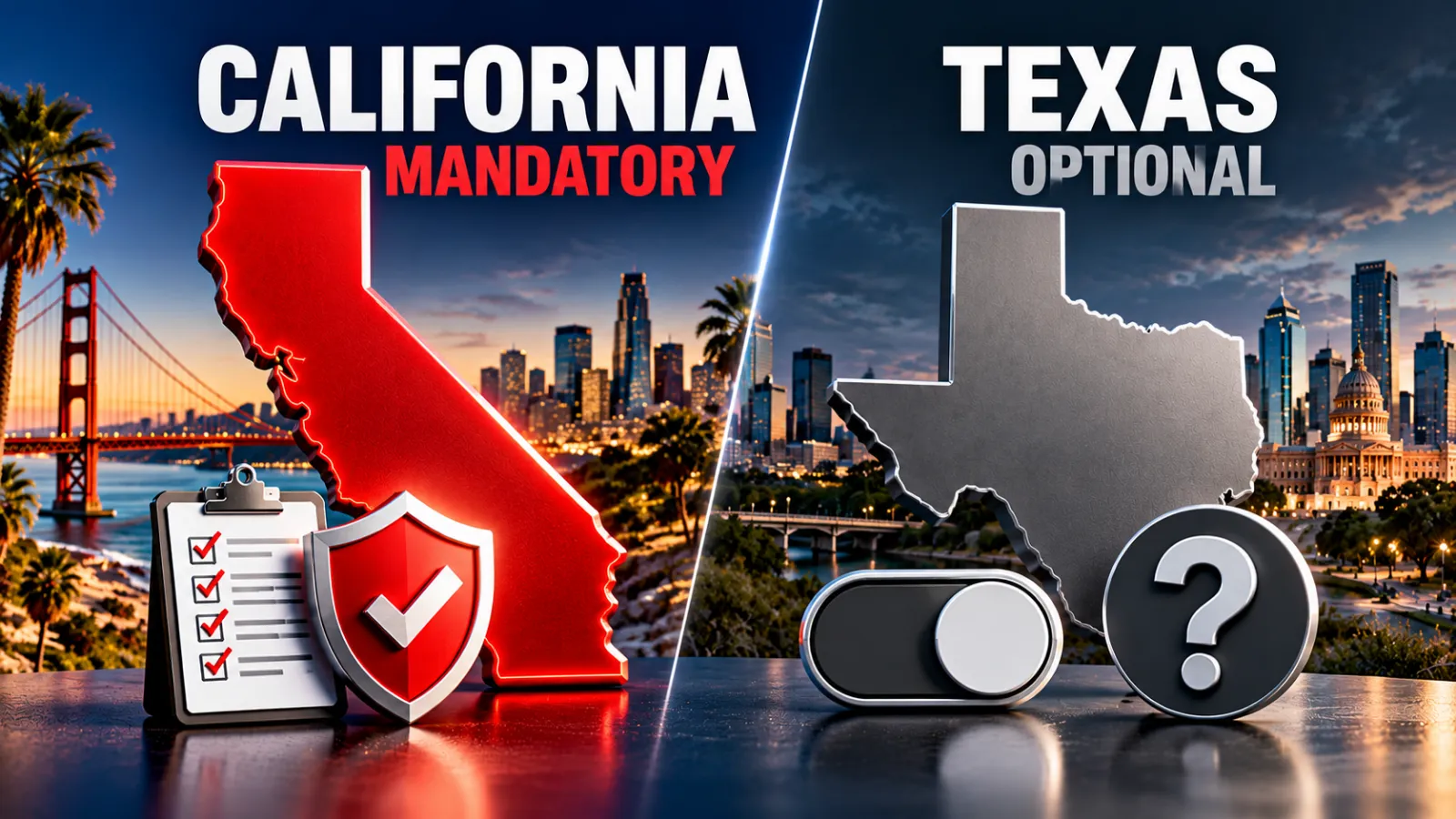
California vs Texas workers comp comparison graphic showing mandatory coverage in California and optional coverage in Texas for small business owners 2026

Quick Answer: California and Texas have opposite workers’ compensation rules. California requires every employer with even one employee to carry coverage. Texas is the only state where private employers can legally opt out. California premiums are higher but come with full legal protection. Texas premiums are lower, but opting out leaves your business exposed to … Read more